
5 Reasons Your Garage Door Makes Noise (and How to Fix It)
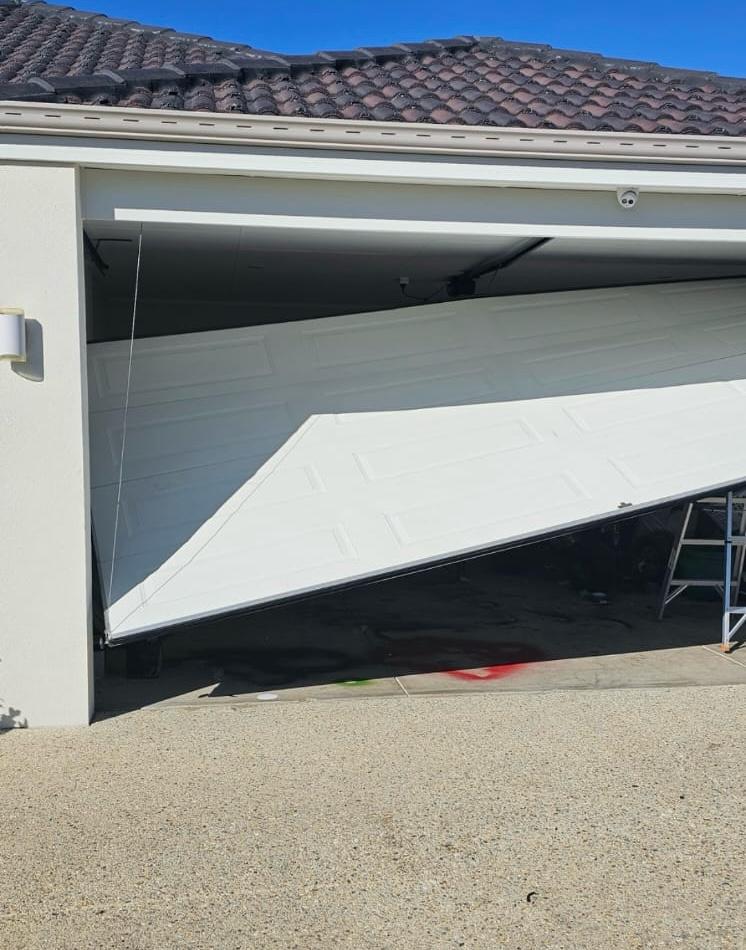
Is your garage door waking the neighbors? Loud, grinding, squeaking, or rattling garage doors are more than just annoying — they're often warning signs of underlying issues that need attention. This guide helps Perth homeowners diagnose and fix noisy garage door problems.
When to Call a Professional
While some noise issues can be fixed with lubrication, grinding, scraping, or loud banging sounds indicate serious problems that require professional attention. Never ignore sudden changes in garage door noise.
The 5 Most Common Causes of Noisy Garage Doors
1. Worn or Dry Rollers
Sound: Squeaking, grinding, or rumbling
Why It Happens:
Garage door rollers run along tracks and bear the full weight of your door. Over time, they wear down or lose lubrication, causing noise. Metal rollers are particularly noisy when dry, while plastic rollers can crack and create grinding sounds.
How to Fix It:
- DIY Solution: Apply garage door lubricant to metal roller bearings (not nylon rollers). Clean debris from rollers first.
- Professional Solution: Replace worn rollers with premium nylon rollers for ultra-quiet operation. Cost: $100-200
Perth Pro Tip:
Nylon rollers are worth the investment for garages attached to living spaces. They're virtually silent and last 10-15 years compared to 5-7 years for metal rollers.
2. Loose Hardware
Sound: Rattling, clanking, or vibrating
Why It Happens:
Garage doors open and close hundreds of times per year. This constant motion gradually loosens nuts, bolts, and screws. Loose hardware creates rattling sounds and can lead to more serious problems if ignored.
How to Fix It:
- DIY Solution: Inspect and tighten all visible bolts, nuts, and screws with a socket wrench. Pay special attention to:
- Track mounting brackets
- Hinge connections between door sections
- Roller brackets
- Motor mounting bolts
- Professional Solution: Complete hardware inspection and tightening as part of maintenance service. Cost: $89-150
Warning:
Never tighten or adjust hardware connected to springs or cables. These are under extreme tension and require professional service.
3. Dry or Worn Hinges
Sound: Squeaking or creaking
Why It Happens:
Sectional garage doors have multiple hinges connecting the door sections. When hinges lose lubrication or wear out, they create squeaking sounds with every door movement.
How to Fix It:
- DIY Solution:
- Clean hinges with a rag to remove dirt and old lubricant
- Apply garage door lubricant to all hinge pivot points
- Open and close door several times to distribute lubricant
- Wipe off excess
- Professional Solution: Replace worn hinges that have visible wear or cracks. Cost: $120-200
4. Worn or Broken Springs
Sound: Loud grinding, squeaking, or banging
Why It Happens:
Garage door springs do the heavy lifting — literally. Torsion springs above the door or extension springs along the tracks are under constant tension. As they age, they can create loud squeaking or grinding sounds. A loud bang indicates a spring has broken. Learn more about when to replace your garage door springs.
How to Fix It:
- DIY Solution: None - spring work is extremely dangerous
- Professional Solution Required:
- Spring noise: Lubrication may provide temporary relief, but noisy springs should be inspected
- Broken spring: Immediate replacement required. Cost: $200-400
- Both springs should be replaced at the same time for balanced operation
🚨 DANGER - Do Not DIY
Garage door springs are under 200+ pounds of tension. Attempting DIY spring repair causes serious injuries or death every year. Always hire certified professionals for spring work.
5. Misaligned or Damaged Tracks
Sound: Grinding, scraping, or rubbing
Why It Happens:
Garage door tracks can become misaligned from impact, loose mounting hardware, or worn rollers. When tracks are out of alignment, rollers bind and create grinding or scraping sounds. Damaged tracks with dents or bends cause similar issues.
How to Fix It:
- DIY Check: Visually inspect tracks for obvious bends, dents, or misalignment. Look for consistent gaps between rollers and tracks.
- Professional Solution:
- Precision track realignment using professional tools
- Track replacement if damaged beyond repair
- Cost: $120-250 for alignment, $200-400 for track replacement
Other Noise Sources
Garage Door Opener
The motor itself can create noise, especially chain drive openers. Belt drive and smart motors run much quieter. If your opener is excessively loud, consider upgrading to a belt drive system.
Vibration Transfer
Even quiet openers can create noise through vibration transfer to the garage structure. Anti-vibration pads under the motor mount significantly reduce transmitted noise.
Preventive Maintenance: Keep Your Door Quiet
Regular maintenance prevents most noise issues:
Every 6 Months:
- Lubricate all moving parts (rollers, hinges, springs, tracks)
- Tighten all accessible hardware
- Clean tracks and rollers
- Test door balance
Annually:
- Professional inspection and tune-up
- Spring tension check
- Safety feature testing
- Comprehensive hardware check
When to Call Capital Garage Doors Perth
Contact us immediately if you hear:
- Loud grinding or metal-on-metal sounds
- Sudden banging (often indicates broken spring)
- Scraping sounds when door operates
- Any noise accompanied by poor door operation
- Sounds that get progressively worse
Tired of Your Noisy Garage Door?
Let our expert technicians diagnose and fix the problem quickly
Call 0475 333 335FAQ: Noisy Garage Doors in Perth
Is it normal for garage doors to make some noise?
Some operational noise is normal, especially with chain drive openers. However, loud grinding, scraping, or sudden changes in noise level indicate problems that need attention.
What type of lubricant should I use?
Use garage door specific lubricant or white lithium grease. Avoid WD-40 as it's a degreaser, not a lubricant. Apply to springs, hinges, roller bearings, and top of tracks only.
Can I make my garage door quieter?
Yes! Replace metal rollers with nylon rollers, upgrade to a belt drive opener, install anti-vibration pads, and maintain regular lubrication. These upgrades can reduce noise by 70-90%.
How much does it cost to fix a noisy garage door in Perth?
Simple fixes like lubrication cost $89-150. Roller replacement costs $100-200. Spring replacement costs $200-400. Most noise issues are fixed for under $200. See our complete garage door repair cost guide for detailed pricing.
About Capital Garage Doors Perth: Serving Perth metro for over 15 years, we specialize in diagnosing and fixing noisy garage doors. Same-day service available. Call 0475 333 335 for quiet, smooth garage door operation.